
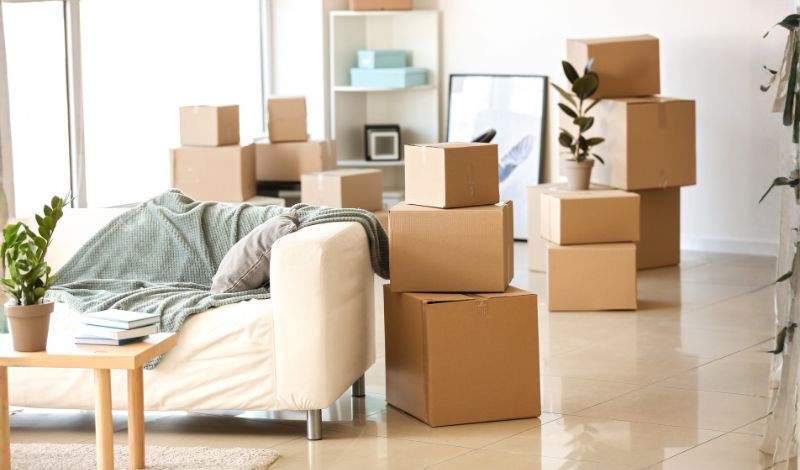

Choosing the right trailer can save you time, money, and frustration. If you hire a trailer that’s too small, you’ll probably end up making multiple trips. On the other hand, hiring one that’s larger than you need means paying for extra capacity you won’t use.
Whether you’re planning a weekend clean-up, moving house, transporting landscaping supplies, or relocating a vehicle, choosing the right trailer hire in Melbourne starts with understanding what each trailer is designed to do. Here’s a straightforward guide to help you get it right the first time.
Box Trailer, Tandem Trailer, or Car Trailer? Choose the Right Trailer for the Job
Not every job requires the same trailer. Fortunately, choosing the right one is easier than you might think.
Box Trailer (Single Axle)
A box trailer hire is ideal for everyday jobs, including:
- Green waste removal
- Tip runs
- Moving furniture
- Garden supplies like mulch or soil
- Household rubbish
Because box trailers are compact, they’re easy to tow, park, and manoeuvre. They’re the perfect option for most home and DIY projects when used within your vehicle’s towing capacity.
Tandem Trailer (Dual Axle)
If you’re carrying heavier loads, a tandem trailer hire is often the better choice.
These trailers are well suited for:
- Bricks and pavers
- Landscaping materials
- Renovation waste
- Large household moves
- Heavy equipment
In addition, the dual-axle design provides greater stability and improved weight distribution, especially on longer trips or uneven roads.
Car Trailer
A car trailer hire is purpose-built for transporting vehicles and machinery.
It’s ideal for:
- Cars
- Ride-on mowers
- Small machinery
- Project vehicles
Unlike a box trailer, a car trailer features a flat deck, loading ramps, and multiple tie-down points to help secure your load safely.
Not sure which trailer you need? A quick five-minute conversation about what you’re carrying and approximately how much it weighs can save you from booking the wrong trailer.
Don’t Guess the Weight Limit
Before you hire a trailer, it’s important to understand its weight limits.
Every trailer has two important ratings:
- Tare Weight – the trailer’s weight when empty.
- ATM (Aggregate Trailer Mass) – the maximum legal weight of the trailer when fully loaded.
The difference between these figures is the trailer’s payload, which tells you how much cargo you can safely carry.
For example:
- Wet green waste is much heavier than most people expect because branches and mulch absorb water quickly.
- Soil, concrete rubble, and pavers are among the easiest loads to overload.
- Likewise, if the trailer sits unusually low or the tow ball feels light, your load may be too heavy or unevenly distributed. Reposition or reduce the load before driving.
Most importantly, overloading doesn’t just increase the risk of fines. It also reduces braking performance, affects steering, and makes the trailer less stable during emergency manoeuvres.
Five-Minute Safety Check Before You Tow
Before every trip, spend a few minutes checking your trailer. It only takes five minutes and can prevent costly or dangerous problems later.
Lights
Check:
- Indicators
- Brake lights
- Tail lights
- Number plate light
If possible, ask someone to confirm they’re working while you operate the vehicle controls.
Tyres
Next, inspect the trailer tyres—not just your car’s.
Look for:
- Correct tyre pressure
- Good tread depth
- No visible damage or cracks
A trailer tyre failure on the highway can quickly ruin your day.
Coupling and Safety Chains
Before leaving, make sure:
- The coupling is fully locked.
- Safety chains are correctly attached to the tow vehicle.
- The breakaway cable is connected if required for your trailer.
Load Security
Finally, ensure your load is:
- Evenly distributed
- Slightly forward of the axle
- Properly tied down
- Covered with a tarp if loose or likely to blow away
A few extra minutes securing your load can prevent damage and improve towing stability.
Looking After Your Hire Trailer
Looking after a hired trailer helps keep it safe and ready for the next customer.
Here are a few simple tips:
- Don’t leave green waste or rubbish sitting in the trailer for several days, especially in hot weather.
- Sweep out dirt, clay, and construction debris before returning it. These materials can trap moisture and contribute to corrosion over time.
- Reverse slowly and avoid sharp jack-knife angles, which can damage the trailer or tow vehicle.
- Finally, let the hire company know if you notice anything unusual, such as faulty lights, unusual wheel bearing noise, or braking issues. Reporting problems early helps keep every customer safe.
Book the Right Trailer the First Time
Choosing the right trailer doesn’t need to be complicated. In fact, a quick conversation about your job can save you time, money, and unnecessary trips.
Whether you need a box trailer, tandem trailer, or car trailer, the TrailerLink team can help you choose the best option for your load.
TrailerLink offers convenient trailer hire across Melbourne, including Carrum Downs, Ferntree Gully, Moe, and Junction Village, with a simple online booking system and quality trailers ready when you are.
Ready to Hire a Trailer?
Book online in under 60 seconds or contact the TrailerLink team for friendly advice.
📞 Phone: 1300 457 099 or 0447 082 504
📧 Email: info@trailerlink.com.au
🌐 Website: https://www.trailerlink.com.au
With the right trailer, your job becomes safer, easier, and far more efficient. That’s why choosing the right trailer from the beginning makes all the difference.
0 Comment