
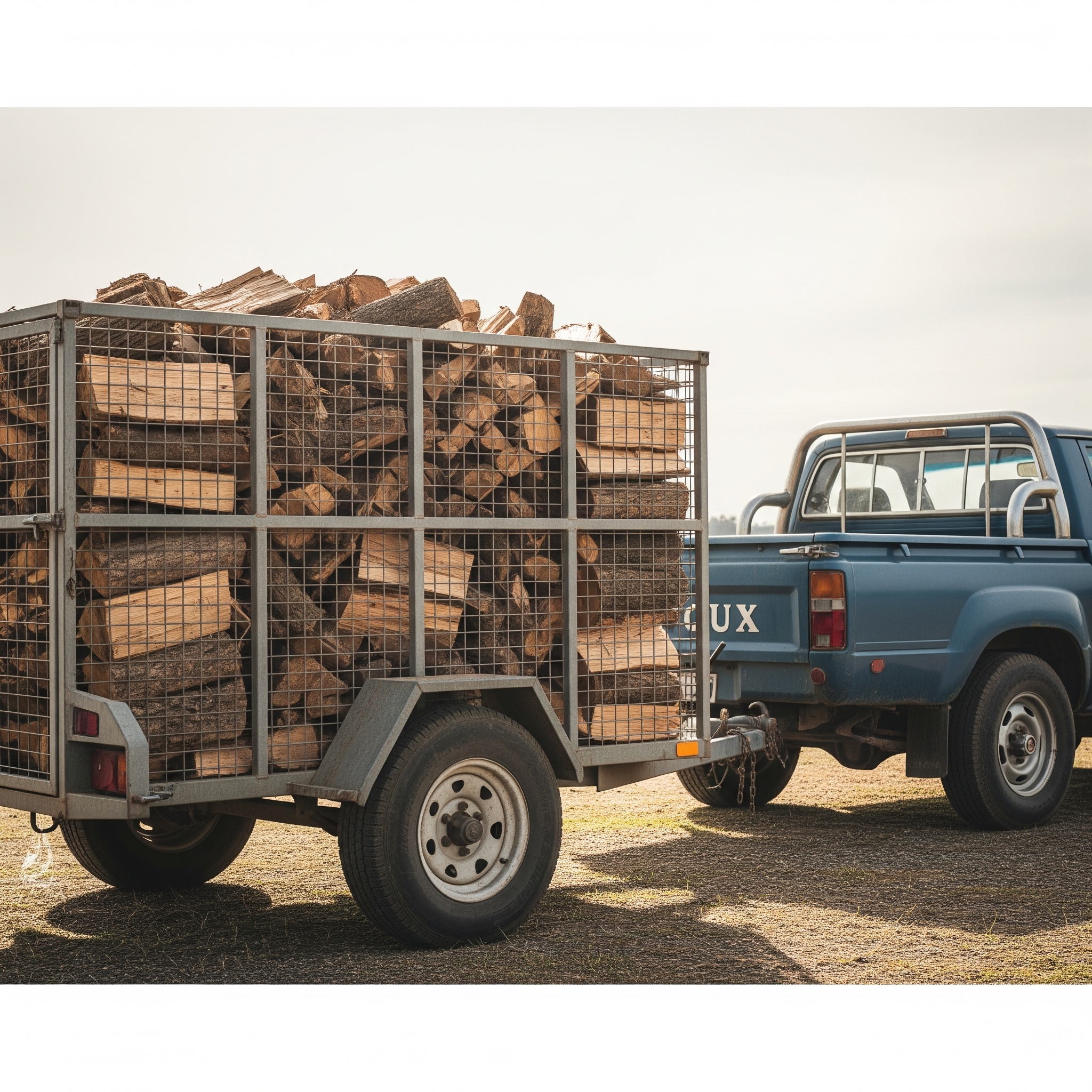

Whether you’re hauling building materials to a job site, taking the boat out for the weekend, or moving house, the right trailer — looked after the right way — makes the job faster, safer, and a lot less stressful. In this guide, we break down the main trailer types, how to match one to the task at hand, the maintenance habits that keep them road-ready, and the safety basics every towing driver should know.
1. Know Your Trailer Types
Not all trailers are built for the same job. Picking the right one starts with understanding what’s out there:
- Box trailers – Enclosed sides make them ideal for general loads, tools, garden waste, and household goods. Great all-rounder for tradies and weekend warriors alike.
- Flatbed/flat-top trailers – No sides, easy loading from any angle. Perfect for machinery, pallets, and oversized or irregular items.
- Tipper trailers – Hydraulic or manual tipping mechanisms save your back when shifting soil, mulch, sand, or rubble.
- Car/plant trailers – Reinforced decks and ramps built to carry vehicles, ride-on mowers, or small plant equipment.
- Boat and jet ski trailers – Purpose-built rollers or bunks support the hull correctly and make launching and retrieving easier.
- Cage trailers – A box trailer with a mesh or solid cage, useful for bulky but lightweight loads like green waste or furniture.
Tip: Match the trailer’s load capacity and deck size to your typical job, not just your biggest one — an oversized trailer is harder to tow and park every day.
2. Match the Trailer to the Job
A few quick questions will steer you to the right choice:
- What are you carrying? Loose materials need sides or a cage; vehicles and machinery need ramps and tie-down points.
- How often will you use it? Frequent heavy use justifies investing in a higher-spec trailer with bigger tyres and a stronger chassis.
- What’s your tow vehicle rated for? Always check your vehicle’s towing capacity and the trailer’s Aggregate Trailer Mass (ATM) — never assume.
- Hire or buy? Occasional jobs are often more economical with a hire trailer; regular use usually pays off with ownership.
3. Maintenance That Keeps You on the Road
A well-maintained trailer is a safe, reliable trailer. Build these checks into a regular routine:
- Tyres – Check pressure and tread before every trip; uneven wear can signal axle or suspension issues.
- Bearings – Have wheel bearings inspected and repacked annually, or sooner if you hear humming or feel wobble.
- Lights and wiring – Test indicators, brake lights, and number plate lights before each tow — corrosion and loose connectors are common culprits.
- Coupling and safety chain – Inspect for wear, lubricate moving parts, and confirm the coupling locks securely every time.
- Brakes – If your trailer is brake-equipped, have the system serviced regularly, especially if it sees frequent heavy loads.
- Chassis and floor – Look for rust, cracked welds, or rotting timber decking, particularly if the trailer is stored outdoors.
Quick rule of thumb: A five-minute walk-around before every trip catches most problems before they become breakdowns — or worse, safety incidents.
4. Safety Tips Every Towing Driver Should Know
Towing changes how your vehicle handles. Keep these basics front of mind:
- Load it right – Aim for roughly 60% of the load weight forward of the axle, and always stay under your trailer’s and tow vehicle’s rated limits.
- Secure the load – Use rated tie-down straps or chains and check them again after the first few kilometres — loads settle.
- Check ball weight – Too much or too little weight on the tow ball causes sway; a tow ball scale takes the guesswork out.
- Mind your mirrors – Towing mirrors or extensions are essential for wide loads and give you the visibility you need to change lanes safely.
- Brake earlier – Extra weight means extra stopping distance — increase your following distance accordingly.
- Know the rules – Speed limits, licensing requirements, and trailer registration vary by state — check your local regulations before you hit the road.
5. What’s Changing in the Trailer Industry
A few trends are shaping how Australians buy and use trailers today:
- Lighter, stronger materials – Aluminium and high-tensile steel builds are cutting trailer weight without sacrificing payload capacity.
- Smarter braking systems – Electric and electric-over-hydraulic brakes are becoming more common, even on mid-sized trailers.
- Rise of hire and share models – More businesses and households are choosing short-term hire over ownership for occasional jobs.
- Built-in tracking and security – GPS trackers and improved coupling locks are increasingly standard, especially for boat and plant trailers, to deter theft.
Final Thoughts
The right trailer, treated well, will save you time, protect your gear, and keep you safe on the road for years. Take the time to choose a trailer that matches the job, build a simple maintenance routine, and always load and tow with safety front of mind.
Need help choosing the right trailer for your next job? Get in touch with our team — we’re happy to talk through your options, whether you’re after a hire, a purchase, or a service for your current trailer.
0 Comment