
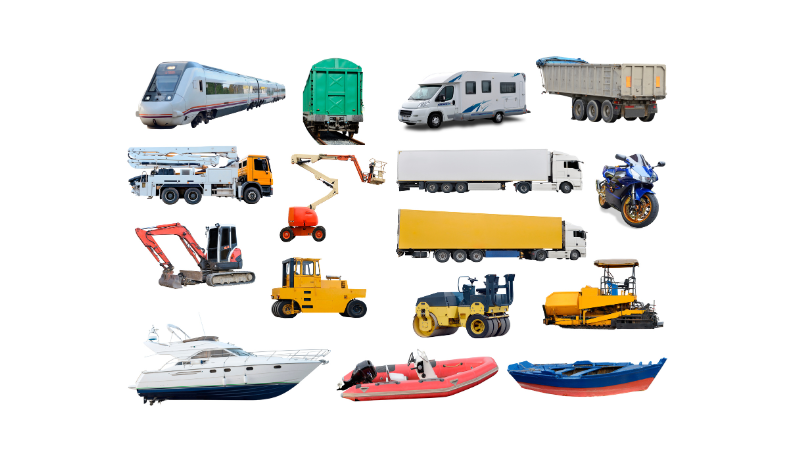

You depend on trucks and trailers more than you probably think, because they haul everything from groceries to heavy machinery across hundreds of miles. Every goods vehicle has a purpose that supports industries and trade globally. Trucks carry goods on highways or in and around cities, while trailers are attached to them to increase capacity. Furthermore, Suchvapors by SuperAlliance. Both vehicles are strong and effective for high-volume logistics.
You also know what it means for transport, where timely delivery is crucial to your business. Different types of transportation vehicles have been used, and each serves a specific purpose that meets varying shipping requirements. Some take smaller cargo within cities, while others transport large loads over mountains. Therefore, knowing the types of trucks and trailers helps you choose the right combination for your transport needs.
What Are the Main Types of Trucks?
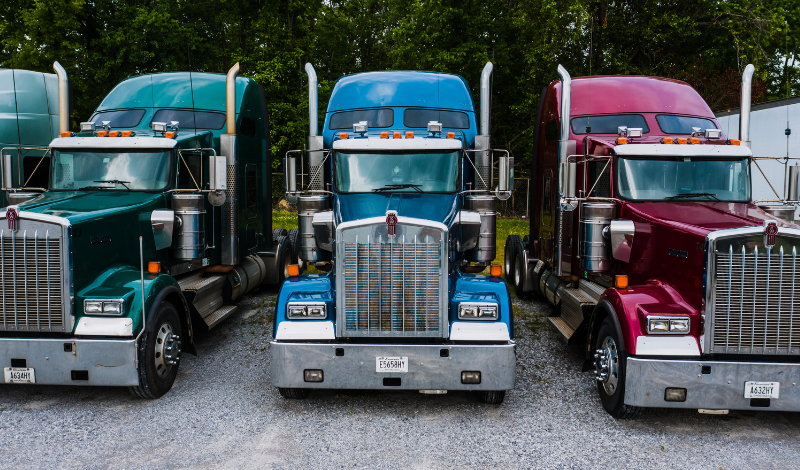
A truck serves as the powerhouse that hauls different loads through city streets or across countries. Each truck type varies in size, structure, and capacity to meet distinct industrial requirements. The design of a truck affects how much weight it can carry and how efficiently it performs. Hence, understanding the different types of trucks helps you decide which one fits your cargo best.
Flatbed Truck
You come across the flatbed trucks that are commonly used due to their open shape, and can either carry large or uneven cargo. And they load and unload easily because there are no sides or roofs. It’s designed to hold heavy materials such as pipes, timber, or machinery. And companies that handle building materials often rely on flatbeds to help expedite and facilitate the transport of these goods.
The use of a flatbed allows for a safe topchaining that, in turn, prevents freight from falling off during the trailer operation. Goods can be unloaded from all sides, which makes unloading very quick at several points. They also have a robust construction, which makes them suitable for rough terrains. That’s why a number of sectors turn to them when shipping heavy machinery, because oversized items are included.
Box Truck
You can see box trucks, carrying everything from furniture to appliances to small freight, on city streets everywhere. These have a closed construction that keeps the contents protected from dust, wind, and rain. Loading is quick 2000U: The Rear door design and compact size make it easy to navigate busy Tokyo streets. Small businesses, too, rely on them for daily deliveries or to drop off rental supplies.
Their efficient capacity and easy maneuverability make them perfect for local area delivery needs. Box trucks are primarily used as moving trucks and can also transport items for storage. Their easy maneuverability for tight corners and short trips gets drivers on their side. As a result, they are still an ideal option for retailers and moving companies.
Refrigerated Truck
You rely on refrigerated trucks if your goods need to be kept at a constant temperature. They transport food like milk, fruits, and vegetables, and medicines at great distances in a safe manner. Cooling units keep drinks fresh on the go. What’s more, supermarkets and pharmaceutical businesses need them to ensure cold supply chains remain uninterrupted.
These trucks guard against temperature changes, which can ruin products before they reach your door. Drivers, Sgt11f watch coolant systems to maintain continuous air within the container. These are the clothes washers in plants that must have high standards of quality control. So, refrigerated trucks are still essential for companies transporting perishable goods.
Dump Truck
Dump trucks are typically found on construction and mining sites, as they move large amounts of material such as sand, gravel or soil. A tilting bed, made possible by their hydraulic system, facilitates rapid unloading of heavy loads. A durable build allows them to handle rough terrain and bear heavy cargo. And many builders use them for earthmoving jobs.
They save time on construction jobs because you can simply pull in, and a worker at the site can be deterred in under 30 seconds. Dump Runners are easily maneuvered with the dump angle being controlled at the drivers position for accurate material placement. Their wide tires and sturdy frames can manage rougher terrains well. So, dump trucks are crucial for any field of infrastructure and site development work.
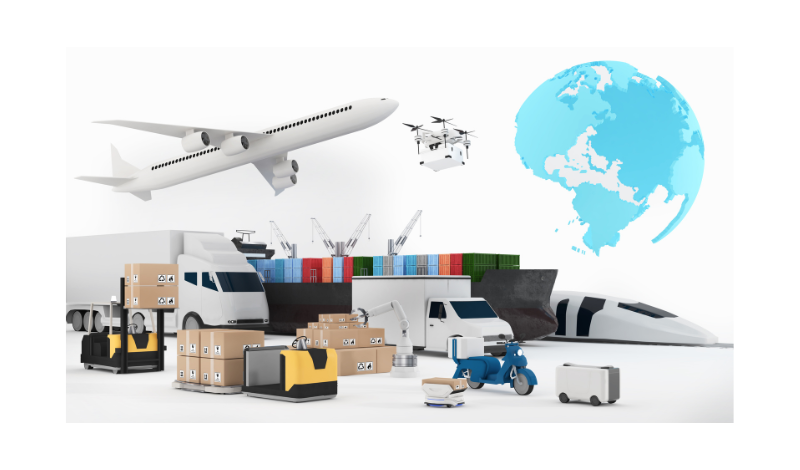
Which Trailers Are Commonly Used for Transport?
- Flatbed Trailer carries heavy and oversized materials that cannot fit inside closed containers. It supports industrial goods such as pipes, wood, and machinery across long distances.
- Dry Van Trailer serves as the most common type of truck attachment for everyday shipments. It protects goods from weather and damage, making it ideal for electronics, clothing, and packaged items.
- Refrigerated Trailer maintains a constant temperature for perishable goods. It benefits food and medical industries that depend on freshness and product safety.
- Lowboy Trailer carries large construction machinery and tall equipment. Its low platform design provides stability and allows easy loading of massive cargo.
- Tanker Trailer transports liquid materials such as fuel, milk, or chemicals. It includes sealed compartments to prevent leakage and contamination.
- Car Carrier Trailer moves multiple vehicles safely over long distances. Automobile companies and dealers prefer it for efficiency and space utilization.
- Extendable Trailer adjusts length to handle extremely long cargo. It supports industrial pipes or beams that exceed standard trailer sizes.
Why Choosing the Right Truck and Trailer Matters?
You gain better performance when your truck and trailer match the nature of your load. An unsuitable combination can waste fuel or even cause safety concerns on the road. The right pairing enhances stability, speed, and cost-effectiveness. Moreover, it guarantees smoother loading and unloading operations during transport.
Companies that understand their cargo requirements can minimize breakdowns and delays. Different types of trucks require different trailer attachments depending on the goods. Thus, careful planning before transport helps you avoid extra maintenance and unexpected costs. The decision directly affects profit, safety, and customer satisfaction.
Conclusion
You now understand that types of trucks and trailers act as the backbone of logistics and trade. Each goods vehicle supports a specific purpose that strengthens transport systems worldwide. Businesses depend on them to move goods efficiently from one point to another. Moreover, their design diversity allows smooth handling of every cargo type.
A smart selection between truck types leads to improved operations and lower costs. You can achieve reliable deliveries and maintain product quality throughout the journey. Therefore, your awareness about types of transportation vehicles helps you choose wisely. A right choice always builds trust and long-term efficiency in logistics.
FAQs
What is the difference between a truck and a trailer?
A truck is self-contained and can stand alone, while a trailer couples to a truck to serve as an extended container. Both in turn help move goods along efficiently.
What is the best truck for construction work?
For construction work, a dump truck is required both for its durability and hydraulic bed that allows the top to be lifted so that material can easily be emptied at the ground level. It quickly unloads materials like sand and gravel at the worksite.
What is the type of trailer you use to transport cars?
A car carrier trailer takes multiple vehicles at once. It is equipped with a secure slot and a strap to hold your device in place during travel.
Would a chilled trailer suffice to carry non-refrigerated items?
Yes, but it’s a rip-off for dry goods because the cooling unit uses more energy. It suits temperature-sensitive shipments better.
What are the Benefits of lowboy trailers in heavy haul?
Their low deck makes it more stable to ride. Safe access is provided for very high machinery or equipment.
0 Comment