

Do you feel unsure about which trailer will suit your vehicle best? Your concerns are valid because the wrong trailer can cause stress on your car, which is very risky. That’s why you need to choose the right trailer, as it supports your vehicle, protects your cargo, and helps you reach your destination safely.
So, you must have knowledge about different trailers and their functions. In this blog, you will explore trailer types, towing needs, and key features that guide you in choosing the right trailer for your situation.
Why the Right Trailer is Important for Safe Towing?
It is important to select a trailer that fits your vehicle’s towing capacity. An unsuitable trailer can damage both your car and your cargo. But if you match them properly, you will experience a safe and smooth drive. Thus, the correct setup gives stability, confidence, and relaxation until you reach the destination.
Moreover, a well-matched trailer reduces strain on your vehicle and lowers the risk of accidents. It also protects your cargo while you are hauling equipment, furniture, or another vehicle. For moving cars, the best trailer for towing a car prevents extra wear, and that is why experts often recommend it. In fact, relying on the best trailer for towing a car is the safest choice when you want peace of mind during long trips.
Types of Trailers and Their Characteristics
Every trailer has unique strengths and differences. You should select the right one after knowing them. So, let’s explore some of the most common types.
Car Trailer
A car trailer is built for transporting vehicles, and it works best when the car is functional and can be loaded without issue. You can rely on it for long-distance moves. It protects your car from unnecessary wear. Its strength allows you to transport multiple vehicles in one trip. You only need a tow-ready vehicle, and then you can travel easily.
Cage Trailer
You can choose a cage trailer if you need strong side panels. You will find it useful for garden waste, tools, or smaller items that shift easily. Its design gives you extra safety for loads that do not sit steady on a flat base.
Tandem Trailer
A tandem trailer has two axles, which provide better balance and strength. You can use it for heavy loads such as building supplies or machinery. The double-axle structure also improves stability on rough or uneven roads.
Bike Trailer
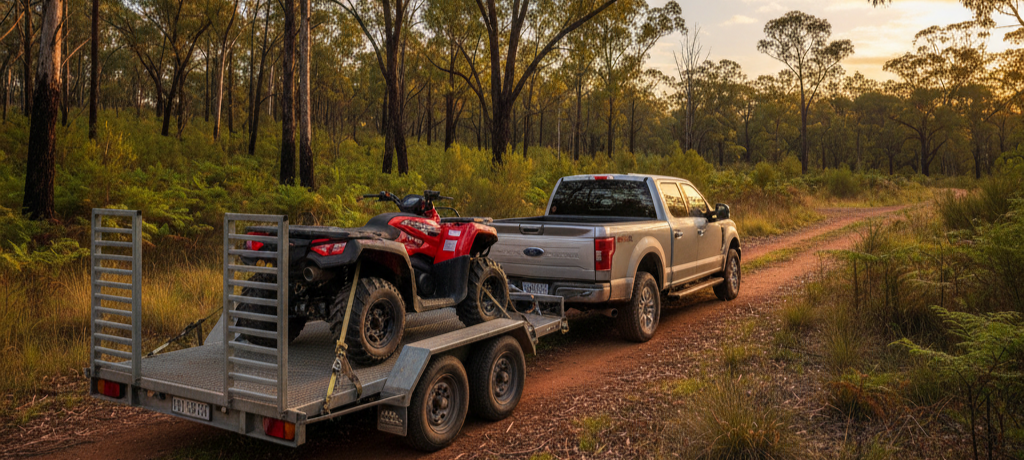
A bike trailer is made for motorcycles, and it usually comes with ramps or rails for easy loading. You can depend on it to transport one or more bikes securely. Its body prevents your motorcycle from shifting during travel.
Plain Trailer
A plain trailer has a simple flat base. It is suitable for different types of cargo. You can use it for furniture, boxes, or medium loads. Its open surface offers flexibility for many uses. It is the right choice when you want a basic and multipurpose trailer.
How to Match a Trailer to Your Trailer?
You need to follow these steps to choose the right trailer for your vehicle:
1. Determine Your Trailer Capacity
First, know your vehicle’s towing capacity, as the weight must stay within limits. Measure the size and weight of your cargo. Always compare the Gross Trailer Weight Rating, which must be higher than the combined trailer and cargo weight. Remember that larger or heavier items often require heavy duty trailer hire for safety. So, if you deal with bulky machines or oversized loads, relying on trailer hire is the smart move.
2. Select the Right Trailer Type and Size
Open trailers usually cost less and are easier to load, while enclosed trailers protect against weather and theft. Your choice depends on how and where you plan to use it. Match the trailer to your cargo needs. For example, use an open trailer with ramps for motorcycles, or choose an enclosed one with side doors for tools and equipment. Space should always be enough for your load, and a trailer size guide can help you compare measurements. In fact, a trailer size guide is very helpful when you want the right balance between space and towing safety.
3. Prioritize Loading and Securing Features
Strong ramps and lift gates help you load heavy machines or bikes without trouble. You will also want a trailer that gives you multiple access points for easier use. Tie-down points play a vital role because they secure your cargo during travel. The more sturdy points you have, the safer your load will remain.
4. Assess Durability and Maintenance
A durable trailer uses strong materials such as steel or aluminum that resist rust and wear. These materials support long-term use in different weather conditions. You should also check the frame and tires before you buy. Some trailers come with grease fittings or special coatings, which help you reduce upkeep.
Conclusion
Now, you understand that every vehicle needs a specific trailer type. So it is important to check your car’s towing capacity to avoid stress and enjoy safer trips. Additionally, a proper choice saves money, protects your cargo, and gives you lasting confidence. Your next step is simple: check your vehicle’s limits, use a trailer size guide, and pick the option that works in harmony with your needs.
0 Comment