

Are you planning to haul gear, shift equipment, or transport supplies? For that purpose, you need the right trailer for a great experience. Each trailer works differently, and choosing the wrong one can waste time or damage your load.
So, you should consider what you need to move and where it needs to be delivered. It will help you choose a trailer size that matches your task. You also need to understand trailer types, their sizes, and capacities. This understanding will also help you select the best trailer for a home project.
This blog will guide you through each type and help you decide which one suits your needs best.
How Many Types of Trailers are There?
You’ll find a range of trailers designed for different purposes. You can select the right one after understanding its functions and features. Let’s explore which trailer types are explained and their features:
Box Trailer
Box trailer offers an enclosed and secure space, which suits tools, small furniture, and garden supplies. Its solid walls shield your gear from harsh weather and road debris. That’s why your items stay safe throughout the ride.
Some box trailers come with removable lids that give you easier access during loading. Their compact shape fits well into tight spaces, which helps when you’re working around narrow streets or busy parking spots.
Cage Trailer
You can pick a cage trailer if your load is bulky, loose, or awkwardly shaped. The high metal sides add more space and keep everything secure, even on bumpy roads. That way, your gear stays safe and you drive with peace of mind.
Most cage trailers come with a rear gate that opens wide, so you can unload faster. That setup works well when you’re hauling garden waste, recyclables, or equipment with odd shapes.
Flat Top Trailer
It is helpful when you need open access from every side. The flat surface allows you to load large items, such as pallets or building materials. Flat top surface also saves time if you’re using forklifts or cranes.
Flat tops are suitable for commercial work where fast and heavy loading is required. Because there are no sidewalls, you won’t waste time maneuvering around tight edges.
Car Trailer
Choose a car trailer when transporting vehicles is your main task. These trailers include wide ramps and solid decks that hold your car securely during transport. You get stability, especially when you use built-in tie-down points.
Whether you’re towing a broken car or moving one for trade, this trailer keeps it steady. The extra control makes a big difference when you’re driving long distances.
Tandem Trailer
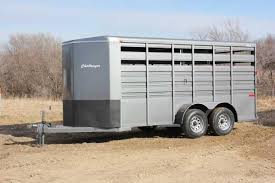
If you expect heavier loads, select a tandem trailer. The double axle provides better balance and distributes weight more evenly. That means smoother towing, especially on long trips.
Tandem trailers are perfect for those who need reliable support for tools, machines, or materials. Moreover, the braking system adds another layer of safety, so you can focus on the road.
Bike Trailer
Use a bike trailer when moving motorcycles or scooters. Most come with wheel clamps and rail guides that hold your bike upright during the trip. That way, you avoid scratches or tipping.
These trailers often carry one or two bikes easily. Their low ramps allow quick loading without needing help from others.
Key Factors to Consider Before Choosing a Trailer
You need to consider several factors before choosing a trailer. It should handle the load safely and also meet local regulations.
Match the Trailer to Your Project Needs
Your first thought should be what you need to move. Then pick a trailer based on the shape, weight, and how often you’ll use it. Also, consider the road conditions. Local delivery needs differ from highway hauling, so your trailer should match trailer capacity guide before you commit to a model.
Check the Load Capacity
Always check the trailer’s weight rating before loading anything, because overloading puts stress on both the trailer and your towing vehicle. Otherwise, you risk damage or even legal trouble. Some trailers might look strong but have lower weight limits. On the other hand, others handle heavy loads without extra bulk. So, focus on the specs—not just how the trailer looks.
Review the Build Quality
It’s important to inspect the trailer before booking or buying. Check the welds, flooring, wheels, and weather protection. A trailer that breaks after one trip will cost you more in the long run. So, select solid build quality that gives you a reliable trailer for long distances.
Legal and Safety Requirements
Each area has rules about trailer weight, brakes, lights, and size. If you skip those, you could face fines or cause accidents. Always check the legal guidelines before hitting the road.
Also, inspect the trailer setup before driving. Your hitch, indicators, and load balance matter just as much as the trailer itself.
Conclusion
You can choose trailer size correctly once you understand its type and key specifications. Each trailer serves a specific purpose, so focus on your needs before making a decision. The best trailer for home project fits your cargo, route, and frequency of use.
The right trailer saves time, protects your cargo, and meets legal requirements. However, a poor choice could cost more than just money.
Browse our full trailer selection and find one that fits your needs. From box trailers to tandem options, you’ll find something ready to go. Book now or reach out—we’re here to help.
Frequently Asked Questions
What trailer size should I pick for home projects?
If you’re doing yard cleanups or light moves, go for a box or cage trailer. Choose a size based on your load—not too big, not too small. That way, you avoid wasting space or having items shift.
Can I tow any trailer with my car?
No, each vehicle has a towing limit. Always check your car’s towing specs before attaching a trailer. Exceeding it could damage your vehicle or lead to unsafe driving.
What’s the difference between tandem and single-axle trailers?
Tandem trailers handle more weight and ride more smoothly. Single-axle trailers work well for lighter loads. Choose based on what you carry and how often you haul.
How can I secure the load on a trailer?
You should use tie-down straps, nets, or cages. Make sure anchor points are in place. Spread your load evenly and avoid stacking too high.
Do I need brakes on the trailer?
It depends on the trailer’s weight. Heavier trailers usually require built-in brakes by law. They also help you stop more safely when you’re towing a full load.
0 Comment